Every day, millions of students, journalists, policymakers, researchers, and curious minds turn to Wikipedia for information. And increasingly, so do the AI systems that mediate how knowledge is discovered and trusted across the web.
A growing body of research is documenting what many publishers and researchers are beginning to recognize in practice: that Wikipedia citations extend the reach of scholarly work in ways that traditional academic metrics do not capture. Yet a significant number of academics have never contributed to Wikipedia or engaged critically with it. The result is a gap: a publicly trusted resource that is underserved by the very community best positioned to strengthen it.
This course is designed to close that gap.
Learning focus
What will you learn?
Wikipedia for Researchers equips academics with the knowledge and practical skills to contribute peer-reviewed citations to Wikipedia responsibly, critically, and with lasting impact. Across three thematic sections, you will explore:
1
Research representation on Wikipedia
How scholarly knowledge appears, circulates, and is evaluated in one of the world's most read reference sources, and what that means for how your own research is discovered and trusted.
2
Trust, reliability, and digital knowledge
How Wikipedia's quality controls and citation practices work, and why they matter in an era when AI systems increasingly draw on public knowledge infrastructure to generate and mediate information.
3
Citations in practice
Hands-on activities in which you trace, evaluate, and add real academic references to Wikipedia articles, building the practical skills to contribute confidently and responsibly to the encyclopedia.
Who is this course for?
This course is designed for researchers, including PhD students, postdoctoral researchers, and early-career academics, who want to engage with public knowledge responsibly and demonstrate the real-world relevance of their scholarly work.
The course assumes proficiency with grammatically correct written English, a general high school education, and regular access to the Internet. No other prior knowledge is required, but basic familiarity with Wikipedia and its 5 pillars is a plus! You can review your knowledge here.
Getting started
You'll need a Wikimedia account to log in. New here? This short video shows you how to create one:
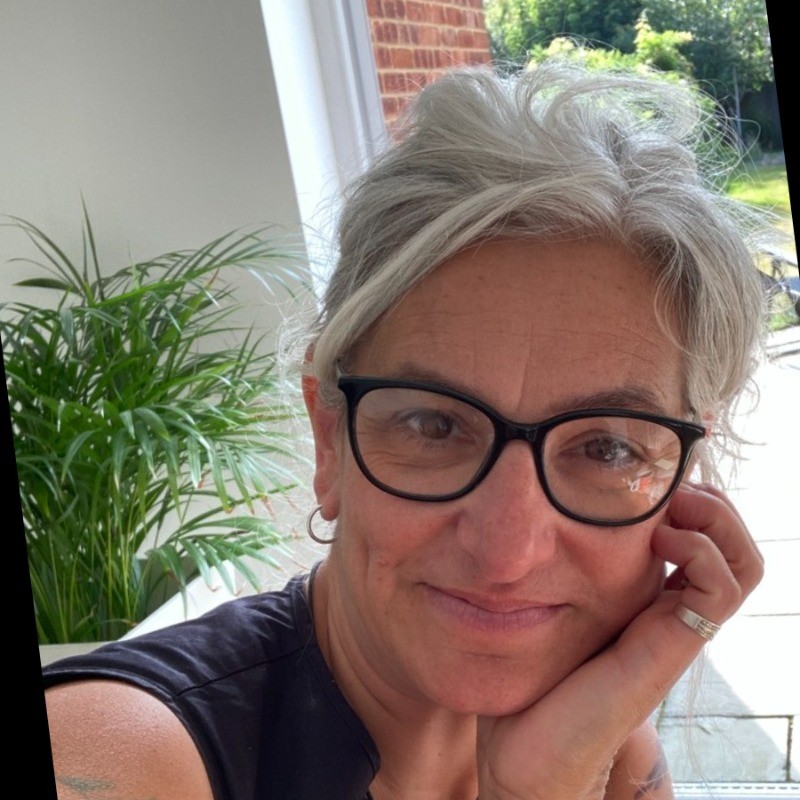
Kath Burton is the founder of Radically Hopeful, an academic and community publishing venture committed to a more equitable and creative scholarly landscape, and Co-Director at the Center for Humanities Communication. With over two decades in academic publishing, including senior roles at Routledge, Taylor & Francis, where she managed global humanities and social sciences programmes, she brings deep insider knowledge to everything she facilitates, with particular insight into the challenges facing humanities and social sciences researchers.
Kath works at the intersection of creativity and community; her facilitation and engagement practices are grounded in the belief that research and scholarship are creative acts as much as intellectual ones. She is a committed advocate for open knowledge, having designed open research programmes at a major academic publisher, led research into how scholarly work reaches and shapes public discourse, and worked in partnership with organisations including the Wikimedia Foundation and Altmetric/Digital Science. She co-authored the peer-reviewed study on academic engagement with Wikipedia that underpins this course, examining the gap between what researchers intend and how their work is understood by public audiences.
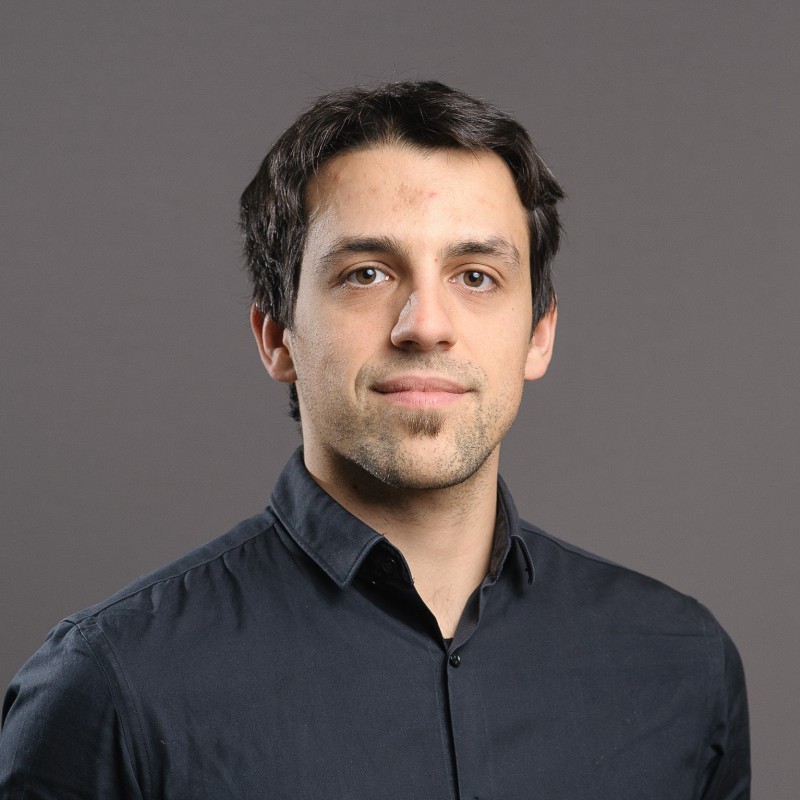
As a Senior Data Scientist at Digital Science, home of Altmetric, Carlos Areia designs AI-powered data solutions that empower research and clinical teams to deliver impactful strategies. By building robust pipelines, combining and translating complex data, he provides insights that inform evidence generation, launch excellence, and scientific engagement. Carlos' clinical and research background enables him to align data innovation with real-world needs.
Before joining Digital Science, Carlos was a Clinical Researcher in Healthcare Technology Development at the University of Oxford, where he led and supported several intensive and primary care research studies. Carlos is passionate about scalable automation and simplifying complex data through intuitive visualisations, dashboards, and reports. A pragmatic thinker who consistently approaches challenges with a strategic big-picture perspective, he is a strong advocate for open, transparent, and reproducible research, including the role academics can play in shaping public knowledge infrastructure. He co-authored the peer-reviewed study on academic engagement with Wikipedia that underpins this course.
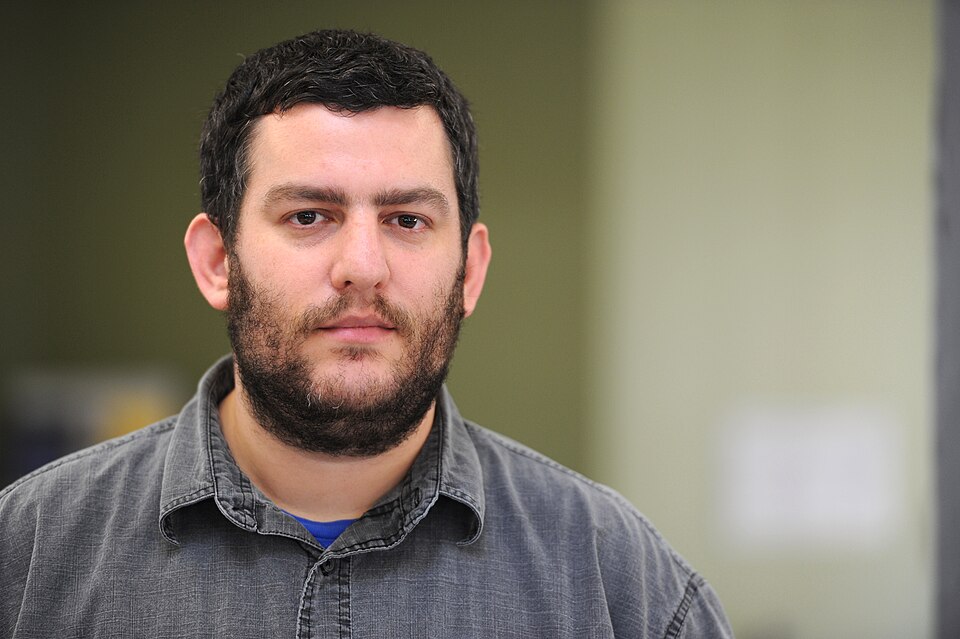
Asaf has been a practicing volunteer Wikipedian for many years; his home wiki is the Hebrew Wikipedia, but he is also active in Wikidata and the Wikimedia Commons, and he makes occasional contributions on the English Wikipedia as well, all under his volunteer account. He has a strong background in software engineering, and an abiding interest in literature, education, open access, linked data, classics, and library science. Asaf is also a Lead Program Officer for the Community Development team at the Wikimedia Foundation. Because people consistently mistake his last name to be Russian, he wishes to clarify it is in fact 100% Hebrew.
Acknowledgements
This online course was shaped by the expert contributions of Charles Watkinson (University of Michigan Press), Vipin SJ (Wikimedia Foundation), Anamaria Espinoza (Wikimedia Foundation), and Melissa Guadalupe Huertas (Wikimedia Foundation). The course team would like to thank Silvia Gutiérrez, Frank Stengel, Amber Hardiman, Joey Frankl, Caroline Nemechek, Tamarae Hildebrandt, Surinder Mohan, and Adam Harangozo for their critical and encouraging course feedback.
Frequently Asked Questions
What web browser should I use?
WikiLearn works best with current versions of Chrome, Edge, Firefox, Internet Explorer, or Safari. See our list of supported browsers for the most up-to-date information.
Will I get a certificate at the end of this course?
Yes. Meeting all course requirements leads to a certificate of completion. This certificate only recognizes the academic achievements connected to this course; it does not grant any user rights or formal recognition on Wikipedia.